
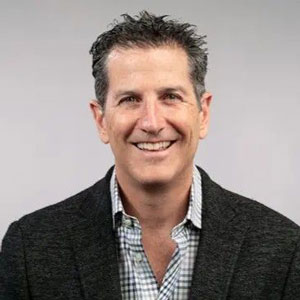
Eric Berman is the Founder and Mastermind Leader of Speakeasy Mastermind, a private global community that brings experienced entrepreneurs together for collaboration, problem-solving, and business growth. He is also the Founder and CEO of Brandetize and Celebritize, companies focused on digital marketing and brand visibility for thought leaders, consumer brands, and influencers. Prior to these ventures, Eric co-founded CollegeClub.com, an early large-scale online community, where he held executive roles during its rapid growth. He also advises companies, works with venture capitalists, and hosts the Inside the Speakeasy podcast.






Here’s a glimpse of what you’ll learn:
- [4:31] How Eric Berman’s performance-based partnership with Brian Tracy led to Brandetize
- [7:48] The four criteria Eric uses before entering profit-sharing partnerships
- [10:55] Why trust and openness are essential to successful mastermind groups
- [13:35] How Speakeasy Mastermind evolved from private dinners into a global community
- [19:08] The challenges of scaling masterminds while preserving quality and culture
- [25:00] Scaling a startup to massive growth and facing the dot-com crash
- [37:15] Two hindsight lessons Eric shares about focus, niche, and long-term leverage
- [45:22] Real examples of opportunities and revenue created through mastermind relationships
In this episode…
Strong businesses rarely win on tactics alone. What separates the companies that endure from those that stall is often something harder to quantify but easier to feel once it’s missing. So what really gives entrepreneurs a lasting edge when markets shift, tools change, and competition intensifies?
Drawing on decades of entrepreneurial experience, Eric Berman explains that meaningful relationships outperform tactics in the long run. He highlights how trust, openness, and long-term alignment turn connections into compounding assets rather than transactional exchanges. The result is better decisions, faster growth, and fewer blind spots over time. He also explains how performance-based partnerships and masterminds create accountability while unlocking opportunities that rarely emerge in isolation.
In this episode of the Inspired Insider Podcast, Dr. Jeremy Weisz sits down with Eric Berman, Founder and Mastermind Leader of Speakeasy Mastermind, to discuss the power of relationships and masterminds in business. They explore how trust-based partnerships drive growth, how masterminds evolve into scalable communities, and why long-term leverage matters more than short-term wins. Eric also shares hard-earned lessons about focus, niche selection, and building businesses through collaboration.
Resources mentioned in this episode:
- Eric Berman on LinkedIn
- Speakeasy Mastermind
- Speakeasy Mastermind Memberships
- Speakeasy Mastermind Chapters
- Inside the Speakeasy
- Brandetize
- Brandetize Case Studies
- Bradetize Free Marketing Audit
- Celebritize
- Asana
- Notion
- Coda
- True Swing
- DermClick
Special mentions:
- Brian Tracy MBA on LinkedIn
- John Assaraf on LinkedIn
- Mike Koenigs on LinkedIn
- Darren Hardy on LinkedIn
- David “DG” Gonzales on LinkedIn
- Roland Frasier on LinkedIn
- Erika Larkin on LinkedIn
Related episodes:
- “[Top Giver Series] Doing Business Beyond Self with David Gonzalez of Simply The Coolest” on the Inspired Insider Podcast
- “Gratitude Day and Random Acts of Kindness With Aaron Walker, Founder of View from the Top” on the Inspired Insider Podcast
- “[Top Giver Series] How to Triple Your Profits and Impact with Dan Kuschell of Breakthrough3x” on the Inspired Insider Podcast
- “[Top Giver Series] The Power of Video Storytelling to Transform Your Business with Ian Garlic of StoryCrews” on the Inspired Insider Podcast
- “[Top Giver Series] Mastermind Magic and Marketing Secrets With Joe Polish’s AI Video Clone” on the Inspired Insider Podcast
- “[Top Agency Series] Navigating a Merger and Becoming an End-to-End Digital Partner With Kevin Hourigan of Spinutech” on the Inspired Insider Podcast
- “[Top Author Series] The Two Leadership Traits To Explode Your Business With Mark C. Winters Author Founder of RocketFuelNow.com” on the Inspired Insider Podcast
- “Leading with Passion with Gino Wickman Founder of EOS Worldwide” on the Inspired Insider Podcast
- “[Top Black Business Leaders Series] Insource: How to Increase Efficiency with Existing Staff and Rapidly Onboard New Staff with Owen McGab Enaohwo of SweetProcess” on the Inspired Insider Podcast
- “[Sweet Process Series] How to Save Hundreds of Hours a Month Using Top Productivity Tools with Adi Klevit of Business Success Consulting Group” on the Inspired Insider Podcast
- “Why Effective Negotiation Is So Important with Roland Frasier Founder of Digital Marketer” on the Inspired Insider Podcast
Quotable moments:
- “Your network is your net worth.”
- “Sometimes we all have a natural skill set that we’re good at.”
- “It was always, let’s be better together.”
- “It’s lonely being an entrepreneur.”
- “I’m responsible. I could cry about this; I could go on.”
Action steps:
- Intentionally invest in high-quality relationships: Building trust-based connections creates long-term leverage, opening doors to partnerships, insights, and opportunities that transactions alone cannot deliver.
- Join or form a mastermind with aligned peers: Surrounding yourself with experienced entrepreneurs provides accountability, diverse perspectives, and faster problem-solving than working in isolation.
- Evaluate partnerships before committing deeply: Assessing alignment, trust, numbers, and scalability helps avoid costly mismatches and ensures relationships grow into mutually beneficial collaborations.
- Shift from short-term wins to long-term leverage: Prioritizing sustainable relationships and compounding opportunities leads to more resilient businesses and better decision-making over time.
- Create environments that encourage openness and trust: Fostering spaces where people can share honestly strengthens collaboration, surfaces better ideas, and accelerates personal and business growth.
Sponsor for this episode
At Rise25 we help B2B businesses give to and connect to your ‘Dream 200’ relationships and partnerships.
We help you cultivate amazing relationships in 2 ways.
#1 Podcasting
#2 Strategic Gifting
#1 Our Predictable Podcast ROI Program
At Rise25, we’re committed to helping you connect with your Dream 200 referral partners, clients, and strategic partners through our done-for-you podcast solution.
We’re a professional podcast production agency that makes creating a podcast effortless. Since 2009, our proven system has helped thousands of B2B businesses build strong relationships with referral partners, clients, and audiences without doing the hard work.
What do you need to start a podcast?
When you use our proven system, all you need is an idea and a voice. We handle the strategy, production, and distribution – you just need to show up and talk.
The Rise25 podcasting solution is designed to help you build a profitable podcast. This requires a specific strategy, and we’ve got that down pat. We focus on making sure you have a direct path to ROI, which is the most important component. Plus, our podcast production company takes any heavy lifting of production and distribution off your plate.
We make distribution easy.
We’ll distribute each episode across more than 11 unique channels, including iTunes, Spotify, and Amazon Podcasts. We’ll also create copy for each episode and promote your show across social media.
Cofounders Dr. Jeremy Weisz and John Corcoran credit podcasting as being the best thing they have ever done for their businesses. Podcasting connected them with the founders/CEOs of P90x, Atari, Einstein Bagels, Mattel, Rx Bars, YPO, EO, Lending Tree, Freshdesk, and many more.
The relationships you form through podcasting run deep. Jeremy and John became business partners through podcasting. They have even gone on family vacations and attended weddings of guests who have been on the podcast.
Podcast production has a lot of moving parts and is a big commitment on our end; we only want to work with people who are committed to their business and to cultivating amazing relationships.
Are you considering launching a podcast to acquire partnerships, clients, and referrals? Would you like to work with a podcast agency that wants you to win?
Rise25 Cofounders, Dr. Jeremy Weisz and John Corcoran, have been podcasting and advising about podcasting since 2008.
#2 Our Comprehensive Corporate Gifting Program
Elevate business relationships with customers, partners, staff, and prospects through gifting.
At Rise25, thoughtful and consistent gifting is a key component of staying top of mind and helps build lasting business relationships. Our corporate gift program is designed to simplify your process by delivering a full-service corporate gifting program — from sourcing and hand selecting the best gifts to expert packaging, custom branding, reliable shipping, and personalized messaging on your branded stationary.
Our done-for-you corporate gifting service ensures that your referral partners, prospects, and clients receive personalized touchpoints that enhance your business gifting efforts and provide a refined executive gifting experience. Whether you’re looking to impress key stakeholders or boost client loyalty, our comprehensive approach makes it easy and affordable.
Discover how Rise25’s personalized corporate gifting program can help you create lasting impressions. Get started today and experience the difference a strategic gifting approach can make.
Email us through our contact form.
You can learn more and watch a video on how it works here: https://rise25.com/giftprogram/
Contact us now at [email protected] or message us here https://rise25.com/contact/
Insider Stories from Top Leaders & Entrepreneurs…
Episode Transcript
Intro: 00:15
You are listening to Inspired Insider with your host, Dr. Jeremy Weisz.
Dr. Jeremy Weisz: 00:22
Dr. Jeremy Weisz, Founder of InspiredInsider.com where I talk with inspirational entrepreneurs and leaders. Today is no different. I have Eric Berman, SpeakeasyMastermind.com, Brandetize.com, Celebritize.co, and Eric, before I formally introduce you, I always like to point out other episodes of the podcast people should check out.
This is kind of a combination of a Top Giver Series, like I meet someone Eric. I’m like this person is just a true giver of a human being. And when we first talked, I’m like, I went back to a couple people like, Eric is amazing and he reminds me a lot. And which is not shocking of David Gonzales as part of the Top Giver Series, and he’s messaged me about you. Richard Walker, Dan Kuschell, Ian Garlic. I did an AI interview with Joe Polish. It was not Joe Polish, it was his AI clone actually. But he’s part of The Giver series as well.
And also this is part of the top agency series. I’ve had a lot of, you know, digital agencies on the podcast talking about their journey. You know, Kevin Hourigan comes to mind. He started an agency. And you know Kevin?
Eric Berman: 01:31
I know Kevin. Yeah.
Dr. Jeremy Weisz: 01:31
Cool. Good people know good people. Kevin’s amazing. He started his agency in 1995. And so, you probably knew each other back then because I know you had an early startup in the .com area, but, you know, just one of the nicest human beings. And he talks about the evolution of the agency world, the internet and business since 1995. So how do you guys know each other?
Eric Berman: 01:56
Through a mastermind. Actually, an agency mastermind. Yeah.
Dr. Jeremy Weisz: 02:00
There you go. It’s all about. We’ll get into Speakeasy Mastermind as well, because I know you are all about community. So anyways, check out those episodes before we get into it. This episode is brought to you by Rise25. At Rise25, we help businesses connect to their dream relationships and partnerships. We do that by one or an easy button for a company to launch and run a podcast. We do the strategy, accountability in the full execution number two, or an easy button for a company’s gifting. So we make gifting staying top of mind for clients, partners, prospects, even staff from a culture perspective. simple, easy and affordable. Just give us a list of addresses. We do everything else and it’s not like a one off gift. We like to send a campaign of gifts. So think three gifts a year for five years type of thing.
So for me and Eric is much the same, the number one thing in my life is relationships. I’m always looking at ways on how I can give to my best relationships, and I found no better way over the past over 15 years to profile the people I admire and share with the world that they’re working on the podcast, and send them sweet treats in the mail so you can go to Rise25.com or email [email protected].
I am really excited to introduce Eric Berman, serial entrepreneur. As I was mentioning, he’s founder of Speakeasy Mastermind. Speakeasy Mastermind is a global community of growth minded entrepreneurs. They’re focused on marketing, sales, and business development. He also runs Celebritize, it’s Celebritize.co. They partner with top influencers to build and scale businesses that monetize their audiences. Right. And he’s going to talk about some examples around even someone with 6 million followers and what do you do with that. And he’s also CEO of Brandetize which is a digital marketing agency. They help experts grow their empires through performance based strategies.
One of my favorite stories, which hopefully he’ll tell, is one of the ways he started in this, is he offered his services for free. Okay. I love that approach. We’ll talk about it. Over the years, they’ve consulted with you, name it, Clickfunnels, Club Med, Phoenix Space, Troy Capital Partners, and many, many, many more. So Eric, thanks for joining me.
Eric Berman: 04:09
Wow, that’s an amazing introduction. Thank you so much for having me. I’m excited to be here today.
Dr. Jeremy Weisz: 04:13
It’s just the truth. So why don’t we start off with Speakeasy Mastermind? Because we’re going to kind of go in reverse, right? Yeah. But like it comes to Speakeasy Mastermind, what you do, I’m going to pull up the site. So if you’re watching the video, you’ll see us poking around there. But talk about Speakeasy Mastermind, what you do there.
Eric Berman: 04:31
Yeah. So I mean, really, this actually the quick backstory of that is, is and I’m kind of weaving in all the different worlds. I’m playing it, you know, having the agency brand, one of my first big clients that I got was Brian Tracy. By that, you sort of teased it by saying I was a big fan of Brian’s. He’s in the same city of mine in San Diego, and I got introduced to him and he said, I need help with this internet thing.
You know, we’re talking 2001, of course. And I said, Brian, I Brian, I can do this. But, you know, I’m not an employee type. I’ve been building companies my whole life, so I’ll do this and don’t pay me till I make you money, but I want a piece of the action. He said, Eric, you’re my kind of guy. I love that kind of personality. Let’s go.
Dr. Jeremy Weisz: 05:07
It’s a no brainer offer and delivering value first.
Eric Berman: 05:11
Yeah. Like and I always even encourage people. I’m like God it’s so easy if you have the cojones and the ability to do that like why not if you really know you could do something pretty quickly and that’s a whole other. I could spend 20 minutes talking about what to look for and not look for down that path, but we may not have time for that today. So now.
Dr. Jeremy Weisz: 05:25
Go ahead. What were you like? Give me an example of what you mean by that. What to look for now.
Eric Berman: 05:30
Because I mean, even in our agency now, we still will partner up in a way which we’re taking a piece of the back end. But the lessons were and we learned this early on when I started doing this and we went beyond Brian Tracy, we just thought, oh, this model worked for everybody. So we just started offering that to everybody and we’re like, oh, this ain’t going to work all the time.
And so now we essentially say we have four steps before we get married. Brian and I got married all right away, but that was because he had the things and I and I already, you know, without even knowing he already had the things and and the four things I look for, I say, tell clients, hey, let’s date before we get married.
Four things I’m gonna look for before we go all in and be performance. Number one is do we like each other? And that seems obvious. But, you know, I call it the quick cell phone test. When somebody calls your phone or text you, do you get energy or do you basically say, oh my God, I don’t want to talk to the person? So that’s number one. Do you like the person?
Number two is do you like the product? Like, you know, are you selling stuff that you really get excited about? You know, is it just nonsense and BS, or is it really making an impact out there that you’re going to want to be, you know, really leaning into that matters?
Number three. And those are sort of like, sure, those are the obvious, but you really need to think about that. Number three I like to say is do we know the real numbers of the business? Oftentimes you’ll run into somebody like in almost every time they’re trying to sell you. Oh, we’re amazing. And you know, we’re doing, you know, X thousand dollars, you know, in business and we’re on pace to do blah, blah, blah. I’m like, okay, well let’s see the numbers look like. And oh, you’re bragging about the one month you had that you’re and you’re multiplying by 12, and that’s not your business. Which you know, isn’t necessarily what.
Dr. Jeremy Weisz: 06:59
We’re on a run rate of x, y, z. In that run rate was based off one month.
Eric Berman: 07:02
Where are we really at? Yeah. So let’s understand you know where the true numbers are. And then last but not least, can you actually scale it and can you make an impact? So yeah maybe the business is doing well, but do I have the skill set with me and my team to look at somebody and say, you know what, let’s say I have been working on a retainer or small basis. You’ve been paying me five, ten grand a month. Can I really? Is it worth me doubling my labor and and and staff? Because I’m going to take where we’re at now and really go above and beyond that. And the answer is yes and all those things. Then you can.
It’s a lot easier to make that offer, and even making it more of a no brainer offer once you have that. Say, all right, we’re here, we’re at this number, making this number, you know, over the last average of last six months. We’ll just take a piece of what we build. I mean, how does somebody say no to that when you’re like, okay, this is money you wouldn’t have had. So you in or out and don’t pay me until I get you there.
Dr. Jeremy Weisz: 07:48
Each one of those steps is like I find in my life. Each step I have is because I made a mistake somewhere, and so that gets added in as like a step. So are there any good stories in okay, we have to like each other. We have the product we have. Do you know the numbers and scale it? What would be a good story? And first of all I don’t know. Do you have a book coming out on this or anything? Because there should be a book on how do you do performance marketing. And these are the four steps. You know.
Eric Berman: 08:16
Maybe maybe that’ll be book three. I got two other topics ahead of that. So I’m actually going to be off next month to work right on my first book through a workshop. And that’s going to be more on kind of the conversation of your network. Your net worth is network. Your net worth network. Sorry.
Dr. Jeremy Weisz: 08:30
I always get this wrong.
Eric Berman: 08:31
Your network is your net worth. I gotta learn how to say it before I write a book around that. But yes, that would be sort of that. You know?
Dr. Jeremy Weisz: 08:36
It just won’t be the title. You’ll have a different title.
Eric Berman: 08:38
Something around that. But yeah, we could get into that. Going back to your first question, when I’m going to try to slowly close the loop on that and get over there. But, you know, having started working with Brian Tracy, quickly met other thought leaders. One in particular. His name is John Assaraf, really well named guru out there as well, who’s also in San Diego. And we were doing JVs together and he said, hey, Eric, you know, all the stuff you’re doing with Brian, you know, I’d love to learn what you’re doing and why don’t we share what we’re doing? Why don’t we get together and just mastermind and and really just help lift each other up?
And that was the first time that I kind of really got exposed to that deep level of, you know, you talk about it, but what does that really mean? And so he said, well, let’s grab Mike Koenigs and Darren Hardy. And, you know, these are all. Mike’s a marketing legend. And Darren Hardy, who now who was running SUCCESS Magazine, is now a huge thought leader in his own right. He had written Compound Effect and a bunch of other books and a couple other guys in San Diego. Let’s get to it.
So we got, we had this dinner meeting and, you know, five guys, everybody was, you know, considered sort of gurus or got paid a lot of money for their time on stages and all that. And we sat out a room, had some dinner and, and we were just opening up the playbook like what worked and what I found interesting in talking to other people since then is the industry we’re playing in. It’s like, wait, so you get people who are sort of competing with to get around and share secrets. Like, what is that? That seems so weird and foreign.
And then you realize this, the world that, you know, you and I play in and others. It’s like there’s also this bit of an abundance mindset that, you know, we all have products that are about doing good for consumers, and we’re trying to make an impact in the world. And if my consumer is going to buy from me, Brian Tracy, well, then why not offer somebody else? And at the end of the day, they just need help. And if my product doesn’t deliver on that, I got my own problems to deal with. But at least let’s serve that client.
And so there was never this, this concept of hiding behind your secrets. It was always, let’s get out there and, and let’s be better together and, and and have those conversations. So I, you know, there was five of us that quickly turned to 8 to 10 to to 15 to 20. And no longer could we have meetings in restaurants because we were getting interrupted about, can I pour you some more water and can I bring you something else? And can I take your order? And we’re like, wait, we’re like in a really good flow state. Can you, like, go away for an hour? And that just felt awkward. So we went back into houses and offices and, and then guests would show up from different cities and say, well, can you, can you do this you know, in my city over here. And I ignored that for a while.
But really, what the magic was, was the way we organize these dinners and the flow and the conversations and the meat of the content to really make it worth people’s time to show up month after month. And for me, looking back in hindsight, I realized sometimes we all have a natural skill set that we’re good at and you call it whether it’s the genius matrix and you say, what do you love to do? And you’re good at? You know, sometimes we realize these are just natural to me, but others look at you and say, wow, this person’s a genius
In hindsight, and because I’ve been told this and I don’t like to sort of say like, talk about the things I’m great at, this is just what I learned through conversations is I had a really natural knack for being able to wrangle entrepreneurs. I’m more, I happen to be more of the organized entrepreneur, the high follow through entrepreneur. And I think John Assaraf kind of detected that early on and said, Eric, let’s get these. You know, almost like Eric, you are like, it’s almost like he just instinctively knew. And sure enough, I was the guy that always said, all right, let’s go. Like everybody this time, this meeting, who’s in, who’s out. And just it just ended up being my mastermind group by sort of default to keep it going.
Those conversations were so impactful that how much we were learning and growing together about, like, what’s working in your business and can you make an introduction and just knowing this group is there for you. You hear the concept of, sometimes you hear the concept. It’s lonely being an entrepreneur. And at first I heard that I’m like, I’m extroverted guy. I’m not lonely. And then I realized what it really meant.
Sometimes making these decisions. If you don’t have a partner, these are tough decisions. If you don’t have those certain partner to talk to, you can’t necessarily talk to your employees. You often can’t talk to your significant other. And even when you go out with friends, do you really have permission to talk business with you, out with other friends? Sometimes it’s just like, let’s get together and I’m so exhausted. Let’s just grab a drink and I can’t hear. There’s noise and there’s the game on TV and you know. ET cetera. ET cetera. So just realizing that, wow, this. It felt special.
And I think. And I’m sorry, I’m making a long answer to your question. So as I was in agency land and I’ve been in agency land for 20 plus years looking for my next pivot, I started asking myself, what’s next? And I’m like, well, wait a second. Everybody keeps saying, you should do this mastermind in other cities. And I ran some numbers and I’m like, wait, okay, well, if I can repeat this formula, this is a really interesting business model out there. Obviously there’s other groups out there in this world, and I have been a member of EO Entrepreneur Organization forever who has a successful model. Why couldn’t I take a page out of that playbook, keep what I love about EO, and then add all the elements I loved about this and build out something there. And there we have the Speakeasy Mastermind was born.
Dr. Jeremy Weisz: 13:35
I do want to touch on a few of these points. And by the way, in the video here, we’re looking at the Speakeasy Mastermind. I do you know, I was actually listening to you. You were talking to Matt Wolf and Joe Fear. This was several years ago. And they were saying, you know, they were raving about your event and like, it was the best event I’ve been to. It was, you know, it was great. The people there were amazing.
I’m curious how the format has evolved. You know, from that first meeting, you know, you rang, you know, John Assaraf was there and a bunch of other people. How have you refined the format over time?
Eric Berman: 14:10
That’s a great question. And it was one of the struggles is figuring out really, really how to do a format because it became just sort of natural and organic. People would show up. But there was such familiarity with the people in San Diego that I realized as I expanded, the first couple of years, it was just really interesting grind. I’m like, oh my God, my mind needs to go to massive SOP mode because it’s not like I can, just people naturally understand what I’m talking about. I have to really give them a playbook. And then what made matters worse is I’m bringing in entrepreneurs to run cities.
And once again, I realized Lies quickly that the entrepreneur high follow through skill is lacking in many entrepreneurs. It goes back to the same point. A lot of entrepreneurs are very good visionary. They’re kind of on the fly. Just throw me in a room and I’ll figure it out kind of thing. And I’m over here trying to push SOPs and there’s a little bit of a conflict. And that sort of had me initially in the early on, why I even had some cities come and go.
[Continue to Page 2]