
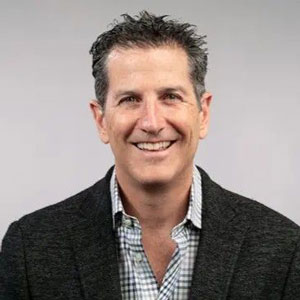
Dr. Jeremy Weisz: 15:06
I had, you know, Mark Winters on and then Gino Wickman on separately. And then if people know they wrote RocketFuel together and it’s the visionary integrator and maybe everyone needs to take an integrator score or whatever, I’m not sure. I think he sold RocketFuel at this point. But yeah, I totally hear what you’re saying with that.
Eric Berman: 15:28
It was so just learning the different skill sets and saying, okay, well, if you are this person, you need to be paired with this other person. Like we can’t launch unless these things are there. So a lot of that stuff sort of happened.
But to your question, how it’s evolved, I think it was just a lot less, hey, I’m going to free flow content this month and we’re going to talk about these topics. And what we used to do is we go around the room and everybody sort of takes a turn. They already knew what to say to, okay, I need to actually have a real framework for how these meetings go. You know, first session we have dinner, you know, then we do introductions and then we have a presentation or a topic, and then we have some roundtables, and then we have a hot seat. And then we, you know, do housekeeping. And then it’s like there’s like literally like six sections of our meeting. And I have to rinse and repeat.
And as much as you put it out there, you know, sure enough, people still aren’t following the formula. So now I’m like, okay, now I gotta like, fly him to San Diego and watch a meeting, or I gotta have somebody look in. It’s just insane how these are all obstacles. And every time I get frustrated and then I immediately, I turn around and say, okay, this is good, this is another mode in the business and making it more difficult for others to model what I’m doing because it’s not easy. It’s freaking hard to take that model and just rinse and repeat.
Dr. Jeremy Weisz: 16:37
I’m curious, you mentioned, you know, SOPs, okay. And I feel like sometimes I’m the SOP police, which I don’t mind actually. I’m curious what you use to format them, house them. I mean, maybe it goes into kind of the tech stack, but I remember I had the founder of SweetProcess on and we use SweetProcess to just keep in one place. And I want him to come talk about. But it’s just so important. I feel like the, you know, standard operating procedures in general. And then I had Adi Klevit who talked about how do you, you know, put these on hyperdrive, because for me, it’s about productivity. Like, if I can, you know, create a process, you know, that could be more productive. So I’m curious, how do you handle the SOP world?
Eric Berman: 17:22
Yeah. Well, for this business with my city leaders, it’s painful because it goes back to the same avatar like I’ll have I have like a playbook on a Google doc. Does everybody read it and study it? Probably not. They might have glanced at it. It’s just the same routine. They’re going in there and just saying, I’ll figure it out as I go and I try to show them the playbook. So me honestly, the playbook is unfortunately, it’s a lot more. I got to really just get on the phone with them and walk them through a few times until they get it. It’s just weird.
So technically I do. I mean, to answer your question, it’s technical basis. I have Google Docs, we all use circles, our platform and we refer to that. We have things pinned so they have reference guides. But with my avatar and the leaders I can have playbooks up the butt. But you know, it’s just it’s like anything else. Like how many entrepreneurs running companies, they all intuitively know they need to build SOPs, but how many of them actually never even go in their own SOPs?
Dr. Jeremy Weisz: 18:16
There’s an accountability for sure. I mean, like, I know how to work out, but I hire a personal trainer because they make sure I do it and I do it right, and I do it harder and more frequently. So I get it. What about from the agency side from brands? What is the tech stack look like there? What kind of tools and software?
Eric Berman: 18:37
Teams using I believe I mean it’s changed over time, obviously from Google Docs into then we went into Asana for a little while. Now we’re out of that. And now as far as a lot of SOPs, there’s some on Notion and Coda have been two different stacks we’ve used internally. You know, still some of the Google Docs back in various file folders and all that.
Dr. Jeremy Weisz: 18:56
What made you decide to expand? I mean, you have this amazing core group starting in San Diego. Where was the first expansion and why?
Eric Berman: 19:08
You mentioned his name, DG. David Gonzalez over in Austin. So was Alex Mendoza in Scottsdale and David and Austin, and it really was because I wanted to test the model out. And I knew those guys well. I knew they could bring us a group of founding members to help test out the model.
The way I did test it out initially was San Diego was always a that was the biggest thing I had to test is would people pay for this thing? San Diego was never paid. It was like everybody throwing 500 bucks to cover your dinners for the year, so I didn’t have to go chase you down to get receipts to get reimbursed. So it was like, do that when the money runs out, I’ll let you know. So that was, so I tried the same thing with those two cities.
Like first let’s not worry about paid. Could people actually go into a room, show up and still deliver and have a good experience of connecting? And then that was quickly proven. And then when then I went out to other cities in Salt Lake, was my first sort of paid city mastermind, and then so so I think what your question, I think was what I think it was just finding two cities that I felt confident in, the relationships with the people running it, that I can fill up a great group of people to quickly vet it.
Dr. Jeremy Weisz: 20:12
Yeah. You know, I’m curious, going back to because it’s your relationship. You know, the relationships are obviously, you know, super important to you. And I’m wondering early on you studied, I mean, you worked with Brian Tracy and you were a fan of his work. I’m curious who other works are you a fan of back then and now from a resource perspective?
Eric Berman: 20:37
So my, if we want to, we’re bumping and jumping around in the timeline. But my first company right after college I went to UCSD in San Diego. And then immediately I didn’t do what most people did, which was to jump in the, you know, heavily recruited jump in that first company. I said, and this is also when I look back and said, I guess I was always meant to be an entrepreneur. When do you really know you’re that entrepreneur?
I mean, I can go back and even, you know, go trace my, my roots behind that and say, oh, okay, I guess I did have some sort of things back there, but but first guy I ran into, a buddy of mine’s like, I’m like, hey, what are you up to? He’s like, oh, I’m doing this thing. I met this guy Michael. You should meet him. We’re doing this really cool idea where we’re going to do this. I’m like, that sounds cool. I’ll come meet him. And he told me the vision. I’m like, it’s great. I’m not doing anything right now.
Where do I sit? He’s like, well, we can’t pay. I’m like, I don’t care. That’s all right. Let’s like, let’s like, this sounds fun. Like he’s like, but we’re going to do this and we’re going to be able to change the world. I’m like, cool, let’s go. Like, like. So it was one of those.
Dr. Jeremy Weisz: 21:29
Are you in college at the time?
Eric Berman: 21:31
I just graduated.
Dr. Jeremy Weisz: 21:33
You just graduated. Okay.
Eric Berman: 21:34
Like, you know, I did the Europe trip post graduation, had like three jobs saved up. You know that? Plus my bar mitzvah money. You know, had I had a good like, maybe 15, 20K in the bank after, you know, after college, I’m like, all right, well, this could last me a while. You know, I’m living off $1,000 a month back then.
Dr. Jeremy Weisz: 21:49
Somehow hostels are cheap in Europe. I remember going, it was like $8 a day. I’m like, okay, yeah.
Eric Berman: 21:55
Yeah, it was fun. So I’m like, so, so what was the question if I forgot the question?
Dr. Jeremy Weisz: 22:02
Oh, you were just saying right after college. And so.
Eric Berman: 22:05
Yeah.
Dr. Jeremy Weisz: 22:05
So you met this person and you just I’m like, okay, I’m going to do this.
Eric Berman: 22:10
Yeah. So I said, I’m going to do this. And then we started building this startup. Three, 4 or 5 of us turned into 15, turned into 50, turned into 400, having raised $100 million. And I thought I was going to be retired at 28 and then the first stock market crash.
Dr. Jeremy Weisz: 22:30
Wait, what was the vision that sold you, Eric? Like because.
Eric Berman: 22:33
It was. And I remember your question, when I get back to who else I listened to, and I’ll answer that and then I’ll answer your other question. So yeah, we used to lock ourselves in the room every morning at 6 a.m. and we listen to Brian Tracy or Tony Robbins. And then if, by the way, if you were late by a minute, you’d have to you’re on the breakfast board and you had to bring breakfast. So like, we were committed to like, like you talk about accountability for each other.
So 6 to 7 was Brett was learning from Tony and Brian. And that’s also where I got fascinated and said, one of my future givebacks I’d like to be able to give back to is the world of education. And seeing that, and I think it’s happening organically anyway, with this AI world and what’s the access to content and thought leaders, I think is just so, so out there. It’s awesome. But I think just all the things you never get taught in school, I was learning this way and I was like, wow, this is amazing and powerful.
The vision to me was the initial play for this company was called CollegeClub.com. It was really the first Facebook before there was any social media out there was that if you could capture the college student using technology that was the most coveted demographic by advertisers. And he had this. The visionary had this way of using tech.
Dr. Jeremy Weisz: 23:38
What was around at the time like what was the social media?
Eric Berman: 23:41
So I was not going to go down the rabbit hole, but to give you a little taste. So imagine this is pre-browser everybody. But imagine your telephone was the browser. And when you’re scrolling around the way it was is you’d get a you get a college voice box. So welcome to college club for one hit groups for two hit sports for three hit movies for four hit weather.
And so you were literally getting information by pushing buttons, you know, for one groups press, one sororities, two fraternities, three this. And so what would happen is you would join groups and you get access to information, and then you’d be on this group listserv. So if you’re in a fraternity, trust one for this fraternity. And the next thing you know, you can actually send messages out to your entire group of 50 people through the phone, through this voice box. Now, this seems so crazy, but there was, there’s no tech back then. It was like you had to call people.
Dr. Jeremy Weisz: 24:32
What year are we talking?
Eric Berman: 24:33
I am 54, everybody.
Dr. Jeremy Weisz: 24:34
What year are we talking?
Eric Berman: 24:35
Well, I graduated college in 93, so this is 94, 95, 96. You know, we were walking around with pagers. You had, cell phones are just, you know, they were coming out, but it wasn’t like, you know, barely like, I mean, I think I was the last sort of phase of I didn’t really have a computer through schools word processor. I was finishing my classes up. So this.
Dr. Jeremy Weisz: 24:57
You were too ahead of your time.
Eric Berman: 25:00
Two were so. Well, we did this. And all of a sudden when the internet hit and the browser, it was like, Holy shit moment, let’s move everything to the internet. So when Netscape happened and that all thing went crazy, we’re like, oh my God, the vision is now going to be this computer. Let’s be the first.
And so we started doing all the stuff through the internet and saying, hey, if we could get the college eyeballs to the internet.
So ultimately, fast forward, we were the number one website of the college demographic back in 2000. We were the 40th biggest internet site on the internet. So, I mean, that’s the kind of growth we had in that demographic, which is why we were set to go public. You know, two months away from going public and all of a sudden boom, you know, implosion happens. And I thought I was going to be ready to go and done. And then you lose everything. So that was part one of my life.
Dr. Jeremy Weisz: 25:45
What was your role there?
Eric Berman: 25:48
I was essentially the COO. I mean, the title, I was operating as the number two guy behind the visionary, the window dressing title, because you have to do window dressing. All these things you learn when you do a filing was I didn’t have the experience. So we had a, we had a president come in who we kind of like put off in the corner and did some things. And, but I was sort of the number two guy.
So my title ultimately was like general manager, just some kind of general title. And it was just weird because I remember like having to manage people that were like 15 years older than me, way more experienced. But it was just like I knew the inner workings of the company and the culture and all those things. And then, you know, when it all imploded and you lost, you know, essentially it could have been retired. I always look back and say it’s a lot easier to lose money I never had. You know, how do you start from nothing? And it was all on paper. So it’s like, but what are you gonna do? You can’t take away my experience.
Like you can’t this year. Seven years working seven days a week, sleeping in the office constantly and having no life from 21 to 28. You can’t get rid of that. And what was I going to do afterwards? You get back up. I’m like, I sit around, it’s like, no, I learned quickly, you know, people, your close friends solve for you for a second and they empathize. But then what? Everybody’s on doing their own thing, you know.
And it also goes back to your question. It is a long answer to your question. My favorite quote comes from Brian Tracy and I live by this today is, I am responsible. And so like I love that quote. And under everything I said, you know, I’m responsible. I could cry about this, I could go on. What could I, you know, I could go sulk, I could, you know, but ultimately I’m responsible for what I’m going to do next. And so it’s only up to me. And so I was on to the next.
Dr. Jeremy Weisz: 27:22
So what happened to the, so the internet bubble kind of exploded. What ended up happening to the company? Did it just have to, did it have to wind down or did it try to keep going or?
Eric Berman: 27:33
So there was a, we were supposed to get a $10 million bridge note to take us to the IPO, and the crash happened, let’s say a Thursday of April. And funny enough, we were taking our first vacation in five years. Like the C-suite. We were in Playa del Carmen, Mexico, on a rainy day. Vividly remember us saying, Holy shit!
And our CFO almost having a heart attack on the spot and having to fly back because all this money was coming that Tuesday. They shut the doors. We were burning $2 million a month. So again, let me take our listeners back to the little history lesson. Back in that day of internet heyday, when it was the first internet companies, all the VCs would come in and say, here’s a pile of money. Don’t care if you’re profitable, spend, spend, spend, market share. Get as many eyeballs as you can. We’ll make the money later. That was the playbook. That was all fine until that market crash happened and everybody’s like, oh fuck, what are we going to do here?
So we were burning 2 million. So we went from the little darling in San Diego. This huge company to all of a sudden we had to do layoffs. We just acquired our fourth company, flew them all out, moved them all out from Michigan to San Diego. Felt so bad for these guys. We’re like, thanks for being here for two months. But we have to lay you off and you know. ET cetera. ET cetera. So essentially, that company went through what was called, I learned the world of bankruptcies, so went through an asset sale, bankruptcy.
We were trying to buy it out of bankruptcy. Because another quick lesson is, I talk about board control along the way as you raise up to $100 million. We finally lost board control with founders were at three seats, board was at four. First move they make when this thing happens. They said, you know what, we want out. We’re just going to sell off whatever assets. We don’t care that you’ve worked your ass off for seven years. We don’t. You know who you know. And so they just wanted to get rid of it and take it through a bankruptcy. So we’re like, all right, let’s see if we can buy it out of bankruptcy.
Almost had it. Our big money founder, all of a sudden his wife had a stroke out of nowhere, and he left. And we’re like, okay, that’s a sign from the whatever spirit gods you believe in and all that, that it’s time to move on. And so that was that whole journey. Crazy story. So we ended up being sold for peanuts by the company we were supposed to acquire. Like we were getting ready to acquire them for after we got public, they ended up taking us for peanuts. And I don’t even know what happened since then.
Dr. Jeremy Weisz: 29:42
We got to reconnect with them, see what happened.
Eric Berman: 29:44
Yeah. Other than the funny side story, I’ll leave you this. My brother ends up being one of the four founders at Myspace.
Dr. Jeremy Weisz: 29:49
Really?
Eric Berman: 29:50
So we still had social media company in our brotherly veins, and he ended up getting the the big one with Myspace. So, yeah.
Dr. Jeremy Weisz: 29:55
What did he do at Myspace?
Eric Berman: 29:57
He was one of the four guys. He was the COO and he went off and you know, they went and sold to News Corp and off they ran with a nice little exit and, and they’re all doing big things.
Dr. Jeremy Weisz: 30:08
That’s amazing.
Eric Berman: 30:09
That’s crazy. Yeah.
Dr. Jeremy Weisz: 30:10
So what was next for you? I mean, I didn’t realize that timeline. I remember you talking about this before and I’m picturing, oh, it’s like two years or something. I’m like seven years is a significant chunk of time, so I maybe sit in my bedroom for like a couple of years, just like in the corner in the dark. But what did you do next?
Eric Berman: 30:34
First cycle. And again, there are a lot of lessons in here. I was always brought into the visionary and I became the number two guy, but I was never like even close to compensation wise because it was his. And he puts in capital and I didn’t put in any money in and his vision. So it was like even though I would have a decent exit and own like, you know, a couple points of this company, at the end of the day, all the sweat that I put in this company, it was like, that’s it for all, all the time.
And so when we went to the next thing, it was like, okay, what are we doing next? And once again we were brainstorming ideas and next idea we had, let’s do this. And it was I think at that point it was always he saw me as this sort of like it was hard for me to come up to his 50-50ish, even though I was doing all this hard work. And so to me, I made this final decision, and it was confidence enough in me because I never sort of did my own thing. To say, you know what? Let’s let’s depart. And I had these ideas, like I constantly had these ideas on my own.
And I said, you know, let me explore this myself. I got the chops. It’s just building confidence to say, I don’t need to be number two, I can go. And so to me, the ideas always spurred from me. You hear this all the time is what’s a problem or a challenge you’re seeing in the marketplace that you’re frustrated by as a consumer. Just go fix it. Like, stop complaining, but go fix it.
And the funny story was, I was at Club Med and just going and visiting, and I just happened to go a bunch of Club Med’s randomly because I used to do somebody introduced me to that, and I realized there was a huge gap in what they were totally screwing up, and that if anybody’s big part of what Club Med’s is, is they bring a lot of strangers together, they do a lot of activities to keep it social. And the net net is after a week of being there, you walk away with like 15 new friends. Like, you know, they’re really good at making. And that’s part of the magic sauce they have, especially when you go to the adult clubs kind of thing.
But when I was done, it was up to me to keep in touch with everybody. And I said, God, you guys are missing such an opportunity. Why don’t you create this, this community where every week you have this ability to tidy and you’re taking all these pictures. Why not have people go back to this platform? And so I just pitched this idea and they actually bought it and they’re like, so next thing you know, I’m a consultant for Club Med. I’m traveling around and like building this thing for them. And then I just started doing that with a couple other projects.
So I started just building these ideas and concepts. And along the way as I’m bootstrapping that, this goes back full circle to the Brian Tracy story. I heard that he needed help with the internet thing. I went in there and that’s why I started making money there. So really it was consulting with Brian was a big part of what I started doing. That was pre Brandetize that ultimately ten years later became Brandetizefor about 13 years later that became Brandetize. And while I was doing that I was doing some other consulting and then Brandetize came because what I was doing for Brian, all of a sudden a lot of other thought leaders would say, hey, what you’re doing for Brian, can you do that for me?
And then thus that led to the long, sort of difficult conversation with, how do I tell Brian Tracy I no longer wanted to have him in a monogamous relationship with him, that I wanted to take the team and work with other people. And that was a fun conversation. But Brian’s always so amazing and supportive and he got it. And as long as I just would always take care of him, he was fine and fully supportive. So that was that.
Dr. Jeremy Weisz: 33:32
I feel like Eric really, even from the get go, it was all helping communities or helping people help communities. It was all about communities. Even with the original college, even with the Club Med. That’s right. It was really helping communities and helping people help their communities. What were you doing with Brian? Like, talk about some of the services and stuff you do with Brandetize.
Eric Berman: 33:57
So Brian was but you’re right. And I think ultimately and it’s funny you said, I’ll tell you something else. So Brian was always, I was just the right arm, almost the CEO of that company. And it was like all things digital and some other projects ideas. So a lot of it was just being visionary. What else can we build with Brian Wells, can we do? And then building a team. And I knew how to build teams and build culture and, and then build out, you know, from Brian to other other people.
What I was always frustrated in running the agency, and I talked to a lot of other agency owners. I was never the genius. Almost every marketing agency is led by somebody who’s great at that. One thing in marketing, hey, we do a paid ads agency because I’m a paid ads guru or I’m this guru.
Dr. Jeremy Weisz: 34:39
Started with like a skill, right? Like, I’m great at creating websites, right? We get a bunch of websites and start.
Eric Berman: 34:45
And you have a website and I’m an SEO agency. I was always feeling a little bit off because, and I’ll tell you another very interesting life lesson. One of the biggest regrets I have, the same time I like doing that was also one of my regrets. And I’ll tell you why. I was good at building a company and leading a team and taking an idea and having a vision and high follow through and executing on the plan.
So I was building Brian a nice business as well as other people being an agency. What did I do is we just build them and then I hire people to do the specific things that needed to get done, and I’d oversee that and just keep growing. But I was just the generalist. I wasn’t like, hey, put me on stage and I’m gonna teach something. So I think for me, I was and looking back, I was lacking that something was missing for me in my life for a long time, a long period of time.
So the two things I think looking hindsight, what I wish I had done better was putting myself in a position where I find that thing that I’m really good at and find that way to play in that game. If you’re an entrepreneur. I’m finally now there in the world I’m playing with and stuff we’ll talk about or we talk about Speakeasy. And the other thing is, I felt like I put myself in a position where I was kind of complacent, and I was making enough money to have a decent lifestyle, you know? But I feel like, and everybody has their own definition of success.
I get that a lot of people would say, gee, Eric, you know, you have a nice home. You do this. You know, but like in me, I’m like, no, no, I need to be doing way more. And I feel like I was always playing in the wrong sandbox. And a mentor of mine, a good friend, Roland Frasier, everybody. A lot of people know him. And he said.
Dr. Jeremy Weisz: 36:16
Hey, check out the episode. I did one with Roland Frasier. It’s fantastic. Yeah.
Eric Berman: 36:20
He’s amazing. We were just texting the other day. He goes, Eric, you know, he goes, I get, I see what you’re doing. He’s like, dude, you’re climbing the wrong ladder. Like, it’s just all this work to go up like.
And playing in a world that was just, it was big in the thought leader space. But the thought leader space is minute compared to the rest of the world out there. And I watch other entrepreneurs and other people that are successful. And I’m saying and they meet with me, I’m like, I’m teaching them stuff and they’re like, damn, but I’m just doing this in a different, in a different world.
So that was kind of like looking back. And now that I’m excited back to like, why I’m pivoting, why I’m doing different things is it’s like I’m capped over in that world that I’ve been playing in, I need to start moving out. And so that’s what’s really been focused in the last 2 or 3 last couple of years is, you know, happy to still serve those clients. And I will be there to take care of them. Me and or, you know, worst case, I’ll make sure somebody’s there to take care of them. But long term there’s a much bigger opportunity upside for me.
Dr. Jeremy Weisz: 37:15
What was the big regret then? Not doing something sooner or.
Eric Berman: 37:19
Yeah, yeah, I think, I mean, it’s hard to take myself too much. I think finding what I’m best at and playing a little bit more of that number one. And I think also playing in an industry that I think is limited. I think our egos get in the way because we’re just like, well, we can win. There’s other people that have sold out their agencies and they’re doing, you know, you know, why can’t we get there?
And yes, there’s a path running agencies. You know, the magic, the mythical. Hey, get to 10 million, get to 12 million. You’re now in the target of the piece and you can get rolled up. And next thing you know and you know. Yes, they’re out there. And I saw buddy start at the same time as me as doing that.
So that was kind of the carrot that was dangled me, but I just couldn’t get there. And I and just again, I always looked back and said, could I have done something different?
Dr. Jeremy Weisz: 38:02
So part of it also is, you know, when he says you’re climbing the wrong ladder as part of that niche also.
Eric Berman: 38:12
Yes, I think a lot of it was the niche and where I was putting efforts into.
Dr. Jeremy Weisz: 38:16
So maybe we talk about Celebritize for a second because I know you serve different niches there. I don’t know, I know you have an interesting dermatology example. So like, if we compare Brandetize, thought leaders, you know, there’s only a finite group of thought leaders like Brian Tracy or Tony Robbins or John Assaraf. Right. And so maybe talk about the dermatology example.
Eric Berman: 38:38
Yeah. I mean, this is what we’ll talk about, this the same pivot. I mean, if I’m good at running companies and leading and all that, and that’s a skill set. And let’s just say community building is a skill set. I already know I’m at risk big time where I am today because of the focus word, you know, doing too many things. And that’s a whole other conversation of why the hell am I doing all this at once? Just go on at one. And that’s that’s a weakness I have of learning how to like, you know, afraid a little bit of FOMO. Which way do I go?
But, you know, the community when I’m doing that with Speakeasy and growing that out. And if I could build communities and continue to have success there and roll out to 100 cities and, you know, it’s a nice big, much bigger business with a bigger upside with passive revenue and ability to scale. So like that has all the elements to say it’s a lane I’m playing and I’m really good at it. I could scale, I could build a machine. It’s either could be a huge passive revenue or it could be sold off at some point.
Now the other side is, well, if what I was doing at Brandetize, how do I make that same machine that I’ve built more upside for me? And what I realized through a friend of mine who pointed out the world of celebrities and celebrities can be, obviously there’s different flavors of celebrity. You have influencers at different levels. You have true celebrities, you know, movie stars. But if you blend the world of what I call experts in the world of Brandetize helping experts build their empire, and then you look at the influencers who are, quote, experts. This is where I’m focusing on. So it’s like the next sort of it’s where Brian Tracy would have been before, you know, when we had influencers, they really were the original influencers.
But if you look at experts in other areas who’ve done the hard work and they have a mega following, and you look at their business model and they’re making money Primarily either they’re doing well, but they’re sort of limited because they’re sort of running as a solopreneur or a couple people and they don’t know how to scale their business, but oh my God, they have this huge following and so much potential, or they’re making millions of dollars being brand ambassadors, which we all know at some point that song is going to end and what’s gonna happen when it ends, they’re gonna be left with very little other than thinking that they were going to make money the rest of their lives, just being promoting stuff that may come and go.
So what my model is, is to say, let me find celebrity slash influencer experts and come to them and build them a real business. And now the offering is hey Mr. or Mrs. Celebrity Expert, you’ve already made it over here. You’re bringing a lot to the table. But look at all this huge gap of opportunity you have in front of you. What if I can come in and offer marketing operations, vision, run the company, let you stay in the lane, maybe bring in capital if we need to bring capital. And let’s go build you a real asset and let’s do it together. Completely different model than me being an agency and walking around and saying, bringing in clients.
And all of a sudden one day they have a friend’s brother’s mother’s uncle who says, hey, I looked at your website and I don’t think this doesn’t make sense. I found an error or, you know, I would do it this way. Why are they doing that? I could do this better. And they all of a sudden you get notice, you know, it’s like you know or just something happens in their lives, hey, I can’t pay you anymore. Like, it’s just a different agency world to say I’m actually getting real corporations set up with people that are bringing a lot to the table, who value what we’re bringing, and it changes the dynamic of the conversation.
I have partners on the call that I’m talking to. So the example you brought up, there’s really two I can point to because I’m too in and doing really well. What is in the golf world Erica Larkin called True Swing, TrueSwing.com. She was an expert in the golf space. She was very captain, limited what she could do. She’s doing these high end golf workshops where those golfers out there pay 3500 bucks to get a three day golf experience, but she can only do so many of those on her own. There’s only so many experiences you can take in a year. What about all the other things? Certification, online course, train the trainer, licensing, merch.
Like there’s so many things we could build. But she was a solo person, so we came in, partnered up, and now we’re building up that brand and doing amazing work on that. And that’s having a ton of success and treated it as a partner in building that business. It’s not like I’m getting a call one day to say, hey, I’m letting you go for some crazy reason. You can’t just do that.
The other one you mentioned is three dermatologists influencers have a combined following of about 6 million followers. They’re all doing millions a year doing branding, but they don’t have a product. They all realize that. So we just launched DermClick, which is a telederm company. And what I’m looking for is also these AI proof businesses to skin ain’t going to where telehealth is getting. I was on the rise. Everybody wants to invest in their skin. You know influencers are out there. So whatever happens, the AI world, even though you may get AI to look at your skin, you know it’s going to be a long time until somebody like trusts that versus saying, I’m going to talk to the dermatologist who’s giving me the, you know, that kind of thing. I’m going to go online, click a button to get my prescription sent to me, versus have to wait four months and see a dermatologist.
So like that’s that model golf workshops. At the end of the day, AI, wherever it is, people are going to still want to get out of the house. God forbid, you know, God willing to go out and play golf and hang out with their friends. So like, you know, I’m putting time and energy into that kind of model.
Dr. Jeremy Weisz: 43:33
How do you think about structuring the partnership?
Eric Berman: 43:38
Great question. It’s just unique because I feel like.
Dr. Jeremy Weisz: 43:43
in the beginning it’s probably no brainer. But once you build something with someone, I don’t know if what’s the word I’m looking for where it creeps in, like resentment creeps in, like.
Eric Berman: 43:56
Yep.
Dr. Jeremy Weisz: 43:57
So I’m curious how you structure it.
Eric Berman: 43:59
Yeah. Great question. And I think I think for those that haven’t done things like this, there’s a couple tips I’ve learned along the way. Have the hard conversations upfront to go through all the scenarios. What happens if you get, you know, you get pulled in a different direction because you’re an influencer and all of a sudden the grass is greener? What happens if I get pulled into a different project and I don’t have the time anymore because my other celebrity client is taken off? These are all scenarios that could happen, obviously, let’s talk about those. What are you bringing to the table? What are we bringing to the table? What’s the time? You know.
And then the number one thing that I think in hindsight, that I am really pushing for right now is just vesting versus. And it’s really easy to say, hey, let’s just go in a partnership, let’s do a 50-50 or let’s do X or Y, or I’m bringing in capital, I bring and let’s just, you know, run it. Versus more of a vesting, which I’m trying to do a lot more of because I say, I don’t know of anybody who’s going to be doing what, two years from now. So why don’t we invest, including myself? And in order for us to earn that equity, we got to be doing the things.
Dr. Jeremy Weisz: 45:00
Love it. I want to, I know we have a few more minutes. Eric and I just want to talk about one example from Speakeasy because like kind of the thread is really community and relationships through all of this stuff. So I want to just talk about maybe something cool that’s happened through Speakeasy Mastermind.
Eric Berman: 45:20
Yeah.
Dr. Jeremy Weisz: 45:20
What sticks out to you?
Eric Berman: 45:22
So I’d just say as a general and one of my buddies in San Diego’s, Eric, asked him. He goes, I go, what do you love about Speakeasy or what? Give me some feedback. He goes, Eric, it’s all I come for the collisions. I go, what do you mean? He goes, you just never know what’s going to happen. I walk in not even knowing or expecting. Next thing you know, I’m meeting this person or talking to this person. Next thing we’re doing cool stuff or a fun story that just, I mean, just I probably could think of ten as soon as we get off this, this call, but like, I’m just thinking recently because it’s just top of mind.
Brand new member out of Ottawa. I just did a kind of a presentation in Ottawa, Canada, and I was showing our member because our members can go visit any other city. You know, that’s a big part of what they get to do. Like, you go to a city, they’re going to walk you in with open arms. They all want to get to know you. And so this member at Ottawa was like, oh, I’m actually going to be in LA next week in their meeting. So I said, oh, let me connect you with our city leader. So I connected with the city leader and he goes, actually, oh, he’s like, wow, it’s so great to meet you.
He’s like, actually we’re looking for a last, my other presentation kind of fell apart. We’re looking for somebody to present. Do you want to share what you do and present on your topic? And she had something to do with book publishing. And in that world, she’s like, great, no problem. She’s out there presenting all of a sudden to a big group of people. Next thing you know, she picked up, I think, 1 or 2 clients out of just that and she’s like, oh my God, I just joined. And literally this, the kind of thing happened.
You know, another one of my members in San Diego was putting on these big mega events, and she was looking for others. And next thing you know, she connected with like tons of people right away. I just talked to I got Rhonda and she’s like, yeah, I did one post. I was looking for some team to help me build out my app. She’s like, oh my God, I’m so excited. I gotta tell you, she’s like, I just talked to this guy over in Nashville and he saw my post. He didn’t even respond to it. He just called me directly on my cell phone. He’s like, I can help you. And she’s like, this is amazing.
So it’s just like those kind of things are happening now all the time. And that’s that’s, you know, to sum it up, that’s my that’s my win. It’s yes, there’s money coming to me and all that, but honestly, I get more jazzed when I hear the story of two people that connected and they are like talking about how great they love this mastermind and they connected. And some of these people may not even know me that well, and they’re just like, it was this thing that got brought us together.
Dr. Jeremy Weisz: 47:20
Yeah. I mean, Eric, you said it. Magic happens when you bring like-minded people together. And first of all, I want to thank you. I want to check, you know, tell people, encourage people to check out SpeakeasyMastermind.com. You can check out Brandetize.com. You can check out Celebritize.co to learn more. And Eric thanks so much.
Eric Berman: 47:41
Yeah. Thank you so much for having me. Sorry for rambling so much.
Dr. Jeremy Weisz: 47:43
It was great. I can listen all day. Thank you.
Eric Berman: 47:46
Awesome.