
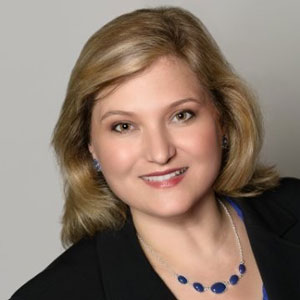
Jeremy Weisz 11:38
Talk about that for a second, the recruitment marketing piece. How does that work? What is entailed in that?
Susan MacNicol 11:48
Well, if you think about it, it’s everything that has to do with promoting your company, but not to sell your products or services, but to essentially sell your company to recruit the best employees. So if you think about that, it’s okay, how do we position our company? Do we have a career page that talks about the careers, the opportunities, all the new initiatives, we’re working on the benefits, the culture, why we’re a great place to work? All of that information is geared towards bringing you the best talent for your team. So all of that is the employment branding, like what is your brand about in terms of working for you. So once that’s established, then you want to get the word out. So you can do that with a lot of different things like, again, using digital and social media, you can get jobs directly reaching people who are most likely to apply for those types of roles. So you’re taking the jobs out to them, instead of posting and hoping that they find the post and that they apply. So that’s a lot of it, and just also having sort of a steady drumbeat of information going out, because what’s really interesting is, we did research on this. And it’s called the transparent job market right now, because what it means is, candidates can really learn about your company through many different avenues before they even apply. So they’ll have eight to 12 touch points with the company before even filling out an application. So whether you don’t have your employees out there on social saying great stuff. And you don’t have career pages? If you don’t have good reviews on Glassdoor and all of that, you’re going to see that you’ll have very few applications. And you’ll see yeah, nobody’s even applying. But then you’ve got to kind of ask yourself, what are they seeing about us? What are they reading, because they’re going to check that out. And if they don’t feel like there’s a good story, good environment, they won’t even follow the application.
Jeremy Weisz 13:39
The first important piece is really getting those foundational pieces, you go over the foundational pieces first, make sure there’s a really good career page, make sure there’s benefits culture, the content, the positioning is on point before you amplify it and actually starting to actually attract people to the site to apply.
Susan MacNicol 14:00
Yeah, exactly. And we did a project about a year and a half ago with a manufacturer in Ohio. And it was really interesting, because they had some positions that was so difficult to fill. And what we did first was come in and do some focus groups with the supervisory management group and then with the staff people, and to understand what drew them to the company, what do they like best? What’s really great about working there, what would they tell a friend who was going to apply? So once we gathered all of that information, we build out for them and employment brand. So we really put together that career page that explained who we are, what these jobs are, like, what our environment is like so people had something to really understand the company and not just a job, a job listing out there. And so once we built this all out, and then we started running the ads and we targeted the ads to reach individuals who would be most likely to apply to these types of roles within like a geographic area within 30 Miles say of the manufacturing facility. They went from when they brought us in, they had two applications in June, a month later, after we developed all of this and started running our ads, they had 51 applications. So from two to 51. So it just shows I mean, how powerful the employment branding can be. And then the digital marketing, that that ties it all together.
Jeremy Weisz 15:20
Yeah, I love what you say that because most of the time when I hear branding, everything company branding, but the position and the way the employment brand is it’s obviously targeted a different audience, right. So the employment brand is totally separate.
Susan MacNicol 15:36
You’re targeting candidates, like the talent you want to bring in, and you have to really, you know, they have some great things that you think, well, it’s a manufacturer, what are they going to say? Well, they had really interesting things like, great benefits, right from the beginning, they had a very flat management organization. So people on the floor would be interacting with the general managers, like, that’s very different. They have things like four days, on four days off, what does that mean, extra free time with their family. So these are all of the pieces of information that we’re able to glean out of the initial sort of focus groups, and then turn that into, these are some of the key features of your employment brand of working for your organization. So that was really interesting to kind of discover all of that.
Jeremy Weisz 16:21
So from the consulting, services evolution to the recruiting, which you’re still, again, you kind of just add these things in, right? Now, it’s kind of, in the recruitment, marketing piece, and then the agency piece I want to talk about building a team in make a decision to build a team, because obviously, you could have been, like, kept doing what you’re doing, and just have a few key partners and just lean on them, but you decide to build a team. But before we get to that, you mentioned something about through the consulting and the recruiting, you mentioned, you’re strategizing on rewards and incentives, I’d love to hear what you have seen work for these companies, from a rewards and incentive standpoint for staff.
Susan MacNicol 17:08
So one of the things that really makes a difference is that, um, you know, if you’re going to do an incentive program for your employees, like we had done this a lot when I was at stars encore working with the distributors that we work with, for instance, I was at stars encore. And we’re up selling against HBO and Showtime back then. And so we’re going into the call centers and getting these different satellite TV companies, for instance, cable companies to sell through our programming. So you want to, as they sell, they get entered to win, and you make it really fun and exciting. But what we really learned too, is that you’ve got to have a lot of levels of rewards, you know, you don’t want to say, keep every time you sell throw your name in, and one person is going to win one trip at the end of the year, like people get disincentivized because they’re like, oh, forget it, what are the chances, you know, so what I feel like I’ve really learned is have little mini incentives, little tiny gifts and rewards at different levels, so that people feel engaged, and they’re like, oh my gosh, I just want this little dinner out for the night or whatever. Um, so you have all these little levels that you want to add in, and then have leading up to the bigger prizes, and the bigger thing. So I think that’s one way to really look at incentive programs. And we’re doing a lot of work right now with because our digital targeting, and ads are so effective, we now have been getting calls from market research firms. And what they’re doing is requesting that we find using our digital tools, we find specific respondents for their interview for their, like focus groups, their in-depth interviews, so for instance, and really hard to find people to sometimes like they wanted 50 women who just had babies in certain zip codes of Philadelphia, so our ads have to be really targeted to reach them. So, that’s the kind of the targeting and stuff that we’re able to do. And now we’re getting that type of a request also to find these really hard to find individuals for market researchers. And that’s really kind of fun, interesting area to be in.
Jeremy Weisz 19:13
I love that. Talk about the mini incentives. What are other things that people have done? So you mentioned, okay, it could be good, because anyone listening could maybe do some of this with their staff? Yeah. So a night out what are some other mini incentives.
Susan MacNicol 19:26
I mean, you could do like electronics, do a night out, do a gift card for something, do any event and activity, that would be fun to attend something, a festival or something like that. But you’re giving out like those tickets, say, after one month, right? And maybe you’re gonna give out five different awards. So the perception is, hey, I have a real chance of winning this, and that’s what you want to get across. So maybe you have those types of little mini incentives. And then a bigger incentive is everyone has a chance to win the trip to Hawaii or whatever you want to put out there. So that’s how you want to structure something like that, and make sure that and other ways to engage everybody, like when you kick off the program, do a pizza party, like do a whole fun kickoff event. So for a while, like when I was with stars, encore years ago, I was going from city to city, and literally hosting big parties and events and pizza parties and that kind of thing just to kind of get people excited about the new incentive program and what we were offering. So that’s a really important piece too. Because what’s interesting to me a lot of times is you’ll talk to people in corporate and they’ll say, oh, yeah, we have this incentive program. And we see this a lot actually for recruiting, where we’ll talk to decision makers in like, the HR side, and they’ll say, oh, yeah, we have a referral program for our employees, if they refer somebody, they get $1,500. And they’re like, oh, yeah, we have that. But when you go and talk to the employees, nobody knows about it. So they may have an in place. But again, that’s internal marketing and communications, right? You’ve got to get it out there, put it in nowadays, of course, emails and information that goes out to the employees. But even if you have like a facility where people come in, you want it in a poster, you want it hanging up, you want to promote it in the break room, that kind of thing, so that people know that, oh, wow, we have a referral employee referral program here. That’s great people sit and develop these things. But if nobody knows about it, it does zero for that company.
Jeremy Weisz 21:24
Susan, I don’t know if it was you or someone else? But I’m wondering if you have any software that you like, or you have heard of people managing, helping manage these incentive programs? Also, I’m not sure if you were the one who kind of compared it to reward points or airline miles? Are there any software’s or things that people should look at that would help them? You know, give them ideas or help them manage it? So it’s not just one person handing these out? But like, maybe collectively, the staff is helping give incentives and bonuses out to each other?
Susan MacNicol 22:00
Yeah, I mean, well, as far as software, I mean, there’s full-on companies who do nothing but rewards programs and that kind of thing. For the market research side, there’s several different companies that are out there, who implement these types of reward programs, where you can just go in and enter the information, and they’re sending out the actual rewards or whatever incentive for people who do like market research. And so there’s one in particular is called Neo currency that we’re working with now. So that’s one of them. But I mean, there’s so many that do strictly these kinds of rewards programs, I never got specifically into going in and offering services in that area. But through the years, I’ve been pulled into develop those. So that’s where a lot of my background, again, from corporate comes into play.
Jeremy Weisz 22:49
So, going from the consulting, to the recruiting to combining it with the agency, what made you decide to build a team around it?
Susan MacNicol 23:01
Yeah, I just felt like, I really want to do something different here, you know, I’m kind of doing the same thing. And I’ve had this agency for so long, this company for so long. And I thought, you know, what, if I really just focus on it, and really just build it, instead of just sort of doing some projects here and there, just change this. So a kind of the idea, and actually, I went to a conference all for small businesses, and really kind of inspired me to think about what can I turn this into. So then I decided, you know what, I am going to build this and start growing it. So I started giving it a whole new boost of energy. And that’s when I brought in Tami and then she and I have really built it from there. And then we started adding more staff people on the digital side. And then I added another ops person sort of on like my side of the business. Now I’m going to be adding in a sales rep. So that’s going to be a new thing. Because we’ve been doing really all of the sales, so that’ll be interesting. So we’ve just kind of keep growing it, and I just thought it would be interesting and really give it a shot of energy. After so many years just doing like, project work, you know.
Jeremy Weisz 24:09
Who are ideal clients for you? You mentioned manufacturers, you’ll do, you know, a variety of services, we’ve mentioned manufacturers, but you also work with, like, I think economic from an economic development standpoint.
Susan MacNicol 24:25
Yeah, that’s a big area for us right now. We loved working in it. We’ve been doing a lot of work. We’ve had contracts with state of Illinois contracts with state of Connecticut. The Illinois ones right now are focused on work share, and sort of it’s all kind of on the side of where the government is partnering with businesses. So if there’s a slowdown work shares a new program that allows the government to team with businesses, so if there’s a slowdown, the employer can cut back the hours for their staff people and then the unemployed. I mean, insurance can actually kick in and help to supplement some of that. So it’s really a neat partnership. And it what it does is it allows businesses to retain that talent so that if there’s a slowdown, they don’t have to let go of people, then when business picks up, they’ve got to find people and retrain them, it just takes forever. So this allows biz, it helps businesses and it helps IDES the unemployment group, to be able to use those funds without paying somebody completely for a whole 100% being laid off. And so it’s a really neat program that’s offered through federally Department of Labor. And so it’s coming to Illinois. So we’ve been brought in to do all the marketing to promote this. And then another program is the apprenticeship program. And that is helping the Illinois apprenticeship programs to just be more widely known by the employers to implement these programs, and then by people, the workers who want to be an apprentice and kind of learn a career and get paid and get into a whole new career. It’s a fantastic program. So these are two that we’re working with right now. And on the economic development side, we did a lot of work with investor where. And that is the economic development group in the city of Aurora, which is right near Chicago, it’s second largest city in Illinois. So for them, for instance, it was three campaigns that we developed, we had to kind of really refine this and figure out what do they want to achieve? What are the goals? So what we came up with was three campaigns, one to reach existing businesses, because they wanted to help develop those relationships, one to reach new businesses potentially, to come in open another location in Aurora, Illinois. And then the third sort of prong of the campaign was the local community support to increase awareness of new businesses, new restaurants, ribbon cuttings, all of that. So really three different campaigns is what we implemented. And we saw amazing results. I know, in just the first year, they booked over 300 consultation sessions with existing businesses throughout Aurora. And they had 44 requests for more information from new potential businesses moving into the region. So great results, a lot of there, for instance, some of the, again, with our ads being so effective in one month, we were bringing over 350 clicks to their website for more information in the first month, and that’s up from like 40, they would have 40 45 clicks, and then just, huge numbers to bring that awareness up of this organization that’s there to help businesses. So that’s something we want to continue doing and working with more economic development organizations across the country. And again, we’ve done a lot with workforce development and education, K through 12, as well as higher ed, working with Illinois State University, for instance. So those are kind of the key areas we work in. And then we’ve done a lot with the supply chain industry, actually, with the technology in supply chain. So that’s another area we’ve been doing a lot of work, working with resellers in that arena.
Jeremy Weisz 28:00
I want to get into the supply chain technology for a second, but with the economic development, what are the positions that people are at that are typically contacting you?
Susan MacNicol 28:13
You’ll have a lot of times it depends on the city or the county or the state, whatever group it is, you might have, like someone who will be a director of marketing, if it’s a larger organization, or might be the president of economic development, or vice president of economic development. And that would be sometimes the people who reach out to us, and just again, it depends on the size of the company, and that’s who we would work with, and coming in trying to understand their needs, their business goals, and then developing that plan and that strategy for them. And then all the tactics,
Jeremy Weisz 28:43
Talk about supply chain technology, what that is, and then what are the things that you do?
Susan MacNicol 28:48
Yeah, so really interesting, we kind of got into this just a couple of years ago, working with a major OEM called Zebra Technologies, and they produce a lot of these different technology tools for the warehouses and for supply chain across the globe, really. And some of these would be like, for instance, RFID, which is like a Little Reader, you see it sometimes, for instance, um, if you’re out at a store, and they’re scanning boxes, that handheld control is like an RFID reader. And then they have what they call, there’s tablets that are rugged tablets. So these are computers that a lot of the warehouse, workers would be using. So if it’s dropped or falls or whatever, it doesn’t pay me to track it too, yeah, and then you can track everything. And then the other thing, which is really neat, too, is they have these fixed industrial scanning systems. So, a lot of those, you can have them at the doors of your warehouse, and they literally can read all of the barcodes of all of the boxes coming in on trucks and it’s just amazing. So instead of you sitting there and looking at each one and with your clipboard like the old days, these systems just pull in the information and you’ve got everything on computer, so you can track it allows you to know where are the assets that I have what’s going out what’s coming in what’s being returned from customers, phenomenal technology that they’ve put together, and then that we have been brought in to help their partners to market into the warehouses. So they have resellers, the structure is like these OEMs original equipment manufacturers, they work with resellers, and the resellers are all over the country, and they’re the ones who actually use their equipment help sell it in to the warehouses, and then they go and do the IT solutions and the setup, so everything is working. So that’s what we’ve been working with. And what we’ll do is help them to try to reach the warehouse ops people, IT people, heads of warehouse Technology and Logistics and all of those decision makers, that’s who we’re trying to reach to say, hey, check out this new equipment and how we can help you be more efficient. So that’s the marketing, we’ve done a lot of LinkedIn ads, targeted ads, we have a software tool that is a proprietary tool that we license, and it allows us to quickly reach dozens and dozens of the right people through LinkedIn. So building those connections that way, email campaigns, we’ve done landing page revisions, videos, so a lot of different tools, again, to help them to get the word out about what they offer, and why it’ll help in the supply chain area.
Jeremy Weisz 31:26
Love it. Susan, I have one last question. But I want to point people to your website, people can check out scmarketinginc.com, I’m gonna pull it up on the screen here. So people can check it out. And basically, the last question you can see here, or at her website, you can learn more, they have a lot of great information here. The last question I have is, really, it starts with the strategy, right? And we mentioned, that’s kind of where you cut your teeth with all these big companies, and then what you do at the agency, on the consulting side, I’d love to hear what are some of the biggest mistakes that when you’re coming in, because you’re doing a lot of different industries, a lot of different campaigns that people are making with, from the strategy side of things with their company?
Susan MacNicol 32:26
Well, I think one of the biggest mistakes is basically not having one, there are so many companies that kind of jump in and go, hey, let’s do some Facebook ads, and we want some LinkedIn ads. And that’s literally where they want to start. And it’s like, whoa, hold on a second, let’s step back. Because what they really have to do, and we do a whole discovery session with a client, where we get started to really delve into what are the business goals, then how can the marketing support those business goals? And then really look at who are you trying to reach? Right? And what’s unique about your product or service? How do we get that out there. And for instance, with digital, it always works best when you’re saying one message to one particular target. So if you’re going to have a message out there for women, well, you might have a separate one for younger women, and then a different ad with a different message for middle aged women, or for moms or grandmas. So each little segment has to be spoken to in their own terms so that it resonates with them. And the some of the biggest mistakes are that people don’t do the strategy and planning first and they don’t break up into segments. And so Phoenixville talks about who are you trying to reach? Who could really use your product or your service? Everybody can. And we’re like, no, no, that’s not correct. You need to have a segment or targets give us a sense of that. So we kind of figure that all out. But that’s the most important part of strategy. And I said, when you kind of boil to me, when you boil marketing down, it’s essentially go are you reaching? What are you saying? Those are the two things it boils down to. Who are you reaching? What are you saying and everything else, you can layer it on from there. And that gets you into a really strong marketing strategy. And you’ve got to have it before you go out there or you waste a lot of money if you don’t have that in order before you start building out tactics.
Jeremy Weisz 34:17
Yeah, and I love what you said there and you live this because when you were talking about the market research firms and or the manufacturing actually with the jobs, you would have a focus group and actually ask, it’s not something I would have thought I’d be like, okay, here’s the job, we got to sort of are getting it, but you would talk to the staff and find out what’s unique about the company and get exactly how to position it. And that’s basically what you’re doing with all the campaigns to and the one message the one target and really speaking to that one person so it resonates with them. So Susan, thank you everyone, check out SCmarketinginc.com to learn more and more episodes of the podcast and Susan thank you so much.
Susan MacNicol 35:00
Thank you Jeremy. Thanks so much.