
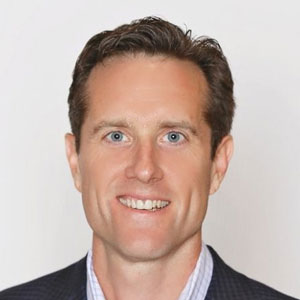
Jeff Spanbauer 13:50
I think that the whole culture thing, right? Because going through that, you know, probably the biggest thing was culture, because, you know, it probably took a year, two years, maybe three years for people to trust me again, internally, because, you know, that’s where I started becoming much more transparent, like, hey, if you had the same data I had on what’s going on, you would also probably make a similar decision as hard as it is to be. And, you know, part of my job as a leader is you have to trust me to make the hard decisions. Because if I don’t make the hard decisions, and put us out of business, that doesn’t help anybody in the organization. And so, that was a big learning as though that’s where I kind of got connected with The Advantage, my Patrick Lencioni and really start to think about how do we build a culture that’s a competitive advantage for us versus something that’s, people just show up, do their job and go home and don’t have a lot of care for the business care for our clients. They’re just kind of punched in the card. And that was probably the biggest learning that I’ve spent the last 10 years really working on to build a culture that we have now, which I’m very proud of. And we’re attracting really, really, really strong people because of our culture.
Jeremy Weisz 15:00
Yeah. So I want to talk about building culture. But yeah, it’s funny you said, Jeff, I need to check out that book, Patrick Lencioni. His book Advantage. I remember the Death by Meeting. Yeah, can I get? So remember the cover? What I love about his books is they’re short parables really informative. Yeah. And also, I think this Five Dysfunctions of a CEO, one off the checkout Advantage. Building a culture. What are some things that people listening that you’ve done, that people can learn from?
Jeff Spanbauer 15:31
Yeah, like one of the things that was not natural for me, when I started, I always had this division between professional and personal relationships. And we ended up there’s a process called Scaling up
Jeremy Weisz 15:45
Heard on the podcast.
Jeff Spanbauer 15:48
Yeah, yeah. So we hired one of their coaches. And one of the things they did you know, is one of the one of the rhythms that we did is we had a weekly management meeting with my ELT, my executive leadership team. And we had to share our personal high and personal lows, in addition to our business, high business lows, and the way I’m wired, I don’t really think about lows, I just kind of think about what’s ahead, and how do I kind of focus on that. But, you know, coming up with personal highs, but also personal lows was really, really kind of new to me. And we had talked before this conversation about EO Entrepreneurs Organization, I’m in a forum here in Cincinnati. And it’s been great for me, because one of the things we’ve worked on his personal growth, and we use a program, we use a kind of a system called Enneagram. I don’t know if you’ve heard of Enneagram. But it’s kind of like a Myers Briggs or a disc. And it helps you to kind of define who you are and how you’re wired. And so luckily, I’d been doing that work prior to hiring this coach who came in and talked about personal highs and personal lows, and the importance of being vulnerable to your team. And so that was kind of a new thing. But through that, you know, I would share personal highest personal lows, business highs, business lows, but then the rest of my leadership team did the same. And the stuff you would just kind of know about, you learn about the person on their personal lows, and even personal highs, just creates a much deeper relationship, a higher level of trust. That was not again, that wasn’t natural me because working at p&g, and Pfizer, you didn’t really talk about personal stuff that much, you just kind of did your job and kind of separated and so learning to be kind of a full manager, not just…
Jeremy Weisz 17:29
Because of the transparency part of culture too.
Jeff Spanbauer 17:32
Absolutely. Because now you know, like, hey, someone’s got a health issue or someone’s in their family is sick, or that all affects how we perform at work, but you don’t know why people are, you know, behave in some of those times. And so that just gave me a lot more perspective of a people are people and it’s okay to have a strong relationship with them. And you know, quite frankly, part of being caring in our culture isn’t about being unkind as much as telling people the truth, you know, like, you know, my kids are the first to tell me if my outfit doesn’t match or something, but that’s, you know, that’s caring, right? Like, that’s, they don’t want me to go out and embarrass them. Right? Kids are brutally honest. Yeah, exactly. And so part of the culture is there’s a book called Crucial Conversations that we introduced a few years back to help people to have be able to have the harder conversations, coming from a place of love in your heart and caring for people. Because that’s what we all need in our life are people around us who can tell us the truth and be honest, and like, my experience as CEO is, sometimes I’m the last guy to hear the truth. And so trying to drive that, and in my culture, it takes more than just telling people to have to do it, but really getting to know them. And so that was the personal highs and personal lows was a new thing for me that I thought was really, really valuable. Because now I could ask people about their family and I could cheer them on, you know, if they’re trying to do some kind of fitness goal. Or if they have a health issue, we can all surround them and help them through that, you know, those issues. So that’d be one. Another thing I did regularly was any new hires, I would meet with them. Most the time now it’s on Zoom. Previously, when it was more geographically easy, I would do them in person, but I always felt like it was important to have a relationship with everybody at the company. And as we get bigger, it’s harder and harder, but that, you know, I have some walk them to relevant meetings where there’ll be nine or 10 new hires that month there. But still, my policy is, hey, I got to open door open teams, and we use Microsoft Teams. So there’s any ideas that you have open teams? Yeah, anything you guys any ideas you have or questions, always feel free to reach out. And then the other thing that we’ve done from a culture perspective as we use Office Vibe, and Office Vibe is a system that will reach out to you about every 90 days to get feedback on how the company is doing for you. What’s working and where are some issues and ultimately, it helps us give an employee Net Promoter Score. So we know how likely the employee is going to be to recommend Relevate to a friend or colleague. And that’s really insightful. And I’m a big believer that feedbacks a gift. And as much as I may not want to hear the feedback, because it’s critical, or it’s different. I’ve learned through this kind of development on myself. Like, there’s some truth to it. And if I can understand what get some transparency into why they’re thinking that what they’re seeing, that’s just going to help me be able to be a better leader, but also, more importantly, have the company be a better organization that meets the needs. So those are some of the things we do on a regular basis. That’s really helped us build a place of transparency, caring accountability and pioneering in the organization.
Jeremy Weisz 20:46
Love it. Yeah, Jeff, thanks for sharing that super valuable also, a second, the Crucial Conversation actually had Joseph Grenny on the podcast, you can check out that episode with him. It’s really incredible. Jeff, I’m really curious, how if you can take us through that evolution of the positions that you held at the company, and how you had to grow? Like because I know, you started as two people you had to sell. And then you when you look at it, I don’t know if it’s I’ve made it moment, but when you look at it as someone’s chairman of the board, it’s like, that’s to me, when I look at it, there’s no, I’ve made it moment, necessarily, but I see that is pretty amazing. That means you’re like you are, you know, not running the business. You are working on the business at all times. And you have all the pieces in place, maybe not always all, but it’s always evolving, but you get my drift. So take us through maybe a quick evolution of salesperson, here’s what it needed to grow to the next level and then each position.
Jeff Spanbauer 21:56
Yeah, definitely. So yeah, so you’re exactly right, as a co-founder, the both of us are out selling like that’s job number one and you got to create revenue and create confidence and be able to get people that want to write you a check, right. And so, that was a big part of what we did. And the kind of amazing thing and looking back is within the first month we got hired by three major pharma companies. We got hired by Sanofi Aventis, Sanofi now AstraZeneca, and Johnson Johnson and they all like, my co-founders Carawan Try, we both worked at p&g together. We both worked at Pfizer together. And then we laughed together to start this company, they liked our background of kind of having that marketing experience both in consumer and pharma.
Jeremy Weisz 22:38
That’s a tough sell. I mean, even I know, you’ve talked about this publicly, but even some people your previous company is like, yeah, we know you too. Well, we know you’re working out of a basement with two people. So we’re not gonna hire you right now. But the Johnson Johnson these other companies, they did, right.
Jeff Spanbauer 22:56
And funny thing we did with our, you know, business address and our cars, I have my home address by and sweet 100. And my partner, I think that is free to go on. And so at least it gave some level of, there’s something going on, and I kind of joke, that’s the way we, route a meal in our house to my office in the basement. But that, you know, gave some level of these guys have some type of…
Jeremy Weisz 23:20
Sweet 100 in parentheses, basement.
Jeff Spanbauer 23:22
I left that part out, but yeah, these companies, when they heard kind of our background of what we’re trying to do in the industry, which was using data to create more local relevance, and part of the advantage we had as we came from the client side. And so we understood all the problems that we dealt with on the client side. And that was part of our inspiration to build a company that was very client focused and helping them solve problems, major problems they were dealing with. But yeah, we got hired and so that was the kind of celebrate, and then oh, crap moment of having to do all this work. And so, Scott lived in Jersey, I live in Cincinnati, I still live here. And we debated hey, where do we hire people? Like, should we hire him in New Jersey? Or should we hire him in Cincinnati and we came to the conclusion like Cincinnati would be a great place to put the company from an HQ perspective and a physical location perspective, primarily because a lot of great marketing talent with p&g here in town, we got a number of marketing companies here. And then also the cost of living back then was less than the East Coast. And so we felt like this would be, give us a little bit of an advantage on pricing and be able to do great work for our clients. And so, we’ve decided to be here, which then created a kind of a whole new layer of work for me, in addition to selling now I got to help, kind of operate and manage people find an office, run the office, do all this stuff every entrepreneur gets to do and Scott’s spent most of his time selling and I spent most of my, I’d say, probably two thirds of my time kind of overseeing running. And so I moved in the kind of the, head of client service at that point, was kind of the next role. And really focused on building out the team. And then one of the things, you know, as we grew Scott and I were so hair on fire, being able to get the work done and grow the business, you know, we grew from again, zero to 15. In the first four years, like one of the things we were really struggling with was like, how do we like find all the right people get all the work. And so I met another guy here in Cincinnati, who had great background in kind of building companies. And so we brought him on as a partner. And he took the role as CEO at that point, because he had great experience. And, you know, I kind of looked at him as a mentor, and he helped me develop. And luckily, I gave him some of the credit for me still having hair, because he helped me put some of the fires out with how I was wired. And as part of the wiring, EO was really helpful because of the whole Enneagram. I’m a three on the Enneagram, there’s nine types, and the threes and achiever. And one of the strengths of achievers, I get a lot of stuff done, one of the downsides is I turn everything into a task just naturally turns into a task, I know how to do it. And so part of that journey we talked about earlier about the personal side of relationships, I really had to slow down and give some be much more vulnerable for people. And because I learned, if everything’s perfect about me, no one can relate to me. And so I have to be able to show some of the parts of Jeff’s family that aren’t so shiny, and create trust. And so that was part of the journey I went through, of slowing down learning that there’s more than just getting stuff done to be successful. But I moved, I kind of led the client service, as we grew from two people to, you know, I think about 80. And 2012, is about where we were at, and then moved into the president role. I’m sorry, the Chief Operating role was next. And so the Chief Operating role was kind of that was when I was hair on fire, just getting stuff done. And that was kind of when I went through that journey of really slowing down to learn how to create relationships and create higher trust. And that was really important. Because, you know, as you get into their company, and you’re able to attract better talent, they don’t really want to be told what to do all the time, they want to be, and they definitely do want to be told how to do it, right. Like, there’s a lot of ways to do things, I say, there’s 100 ways to do every single thing. And probably 20 are really bad ideas, 60 are good enough ideas and 20 are really great ideas, kind of a bell curve. And so, like that’s, you know, one of things I’ve had to learn is like, turn off the how, how I want to do it and kind of empower people to do that. So that was part of that journey as COO, and then moving into president a few years later, as we started to scale, that gave me the opportunity to really kind of learn my Strategy skills and think about, really, what are we doing as an organization that makes us different? How do we differentiate ourselves? What do we need to focus on internally where the resources need to go? And then in 2018, my partner that time Bill, he retired from CEO and I moved into that role, and 2018, to 2020, we’re really good years, we ended up tripling the business during that time, which was very exciting. And then in 2020, with COVID, we really saw this opportunity, you know, part of our DNA is this idea that healthcare is local. And the way healthcare operates in Cincinnati is a lot different than Chicago. And so that’s why our whole relevance and data-driven model works so well. And so part of COVID, is you saw this whole idea that healthcare is local, be on steroids, like everybody realized healthcare is local. Everybody was going to John Hopkins website to see in their zip code, how much Coronavirus, was happening at that time. And so we felt like this is a great time to really scale the business. And that’s we reached out and look for a partner and found mountain gate. And since then, we’ve grown it from 20 million to 70 million in the last two and a half years through acquisitions and organic growth. And part of moving from this niche player to really now the one of the key companies in the space of engaging HCPs healthcare Professionals has been a really great, opportunity and, a part of that as you can imagine the amount of skills and work and stress of growing the company and transforming the company and like that, part of that is learning how to also bring in additional, I call them MLB players like I’m a baseball guy so we were back in you know, single a ball probably the first few years. I mean, we did double a ball, you know, the last few years of in triple A now we’re hitting the major leagues, and so it’s been really awesome being able to bring in Major League players in our space and be able to attract them and bring them and we hired a new CEO and he’s, he’s been awesome. We’ve hired A few other really great players along the way, like a CFO, Chief Revenue Officer, Chief Strategy Officer, we just hired a Chief Business Officer. And so it’s been really awesome being able to bring those people on board and continue to steward the business. But my role now has changed more from overseeing the strategy and operations to now more focused on our future. And through acquisitions. And really, as you mentioned, at the very beginning, working on the business and coaching and empowering and also sharing history and continuity with the new team. So, it’s definitely been a, you know, a dream come true. As far as where we started, where I’ve started where I have come to, but again, I’m a very forward-looking guy. So I have spent a lot of time like, you know, pinching myself saying, I can’t believe this has all happened, but at the same time, I’m very grateful for the journey. And I’m very pleased and exceeded my expectations, by a lot just based on where we are at today.
Jeremy Weisz 30:59
So, Jeff, I have one last question. First of all, thank you, thanks for sharing your knowledge, your experience, your journey. I want to encourage people to check out relevatehealth.com to learn more, and we’ll link it up in the notes. Because there’s so much more to dig into the oh, maybe the second episode at some point, because like, you can’t just drop we tripled our business. And I can’t dig into that. Yeah, sure. 20 minutes, about acquisitions, and hiring and leadership. But maybe that’s for another time. But I would love to hear because the purpose goes back to engagement and helping people. Right. And so I love for you to talk about a radio campaign.
Jeff Spanbauer 31:43
Yeah, sure. I mean, one of the favorite things that I love to talk about in our company is just the impact we’re having on actual patients and helping them live a longer, healthier lives. And being a step removed from that sometimes you don’t get to hear it. But one of my favorite stories that we got back from a doctor is we did a radio campaign for breast cancer awareness. And one of the areas with breast cancer as if you had it, there are some drugs that you need to stay on for five years before you’re really cancer free. And so we partnered with doctors across the US, kind of making locally relevant, you know, radio campaigns, and some of the doctors we partnered with, in Dallas. And they talked about they got on the radio and said, you know, only takes a few seconds to learn more about the importance of staying on your medicine a few seconds that can save your life. Some guy heard that in Dallas, heard the doctor who was his wife’s doctor on the radio, and that broke through the clutter because it was very relevant to him. Heard what he had to say? He goes home and talks to his wife about it. His wife’s like no, I quit taking that medicine you know, after about two years he’s like well I heard on the radio is supposed to take five years before you should stop taking it. So they went back to the doctor had a conversation with the doctor got she got back on her medicine and she stayed cancer free. And so that was just kind of a huge not just you know, validation of what we were doing but it’s just makes you feel really good that you’re helping people out there that you don’t know about but hearing stories about a woman, kind of forgetting or stopping the medicine going back in, getting back on because of a campaign we put together that just that’s the kind of stuff that makes you feel really good about coming to work every day.
Jeremy Weisz 33:27
I love it. First of all, and Jeff one of the first one to thank you, check out relevatehealth.com. You can see it on the screen if you’re watching the video, and check out more episodes of the podcast and Jeff, everyone else, thank you so much.
Jeff Spanbauer 33:42
Jeremy, my pleasure. Thank you so much. Have a great one.